Singapore's CBD refurbishment interest surges, driven by government incentives and landlord efforts to modernise ageing assets.
21 April 2026
Insight
21 April 2026
Refurbishment interest in Singapore CBD lifted by incentives
Categories:
Authors
Chia Wei
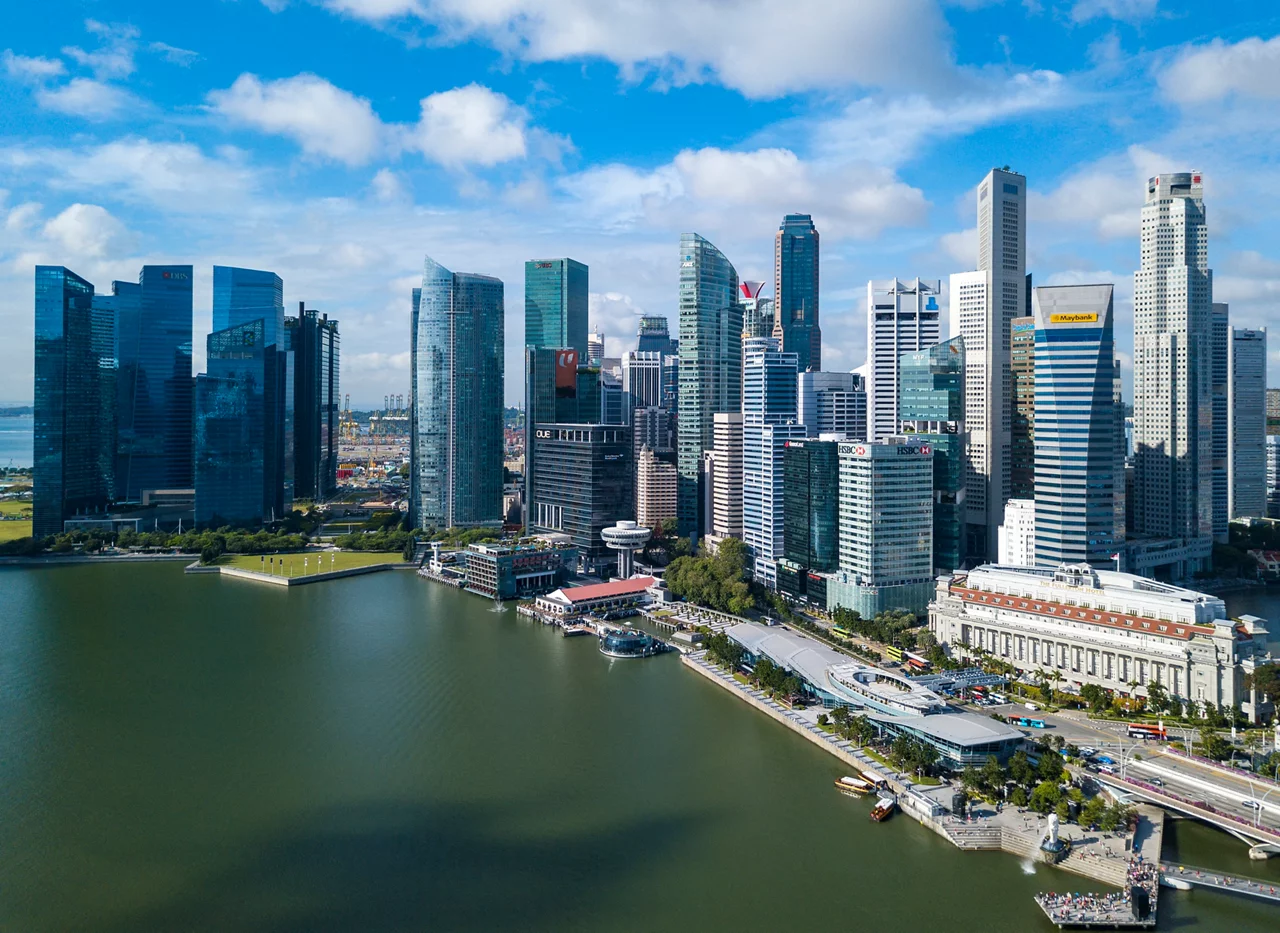
Singapore’s Central Business District (CBD) continues to register sustained interest in refurbishment and adaptive reuse in 2026. This is supported by government initiatives such as the Central Business District Incentive (CBDI) and Strategic Development Incentive (SDI) schemes, which have successfully catalysed a steady pipeline of asset enhancement and repositioning activity.
URA (Urban Redevelopment Authority) introduced the CBDI Scheme and Strategic Development Incentive (SDI) Scheme in 2019 to encourage a selective restoration of our CBD and other strategic areas. The CBDI schemes apply within the Anson Road, Cecil Street, Robinson Road, Shenton Way and Tanjong Pagar areas. The SDI Scheme covers strategic commercial areas outside these CBDI zones and sets rigorous eligibility criteria for participation.
While these schemes were initially introduced to encourage the long-term transformation, there is a near-term impact on landlord behaviour. Owners of ageing assets, with at least 20 years old from the date of their last Temporary Occupation Permit (TOP), are actively evaluating refurbishment and repositioning. These efforts aim to enhance building competitiveness, improve tenant retention and capture evolving occupier demand.
Unlocking value through adaptive reuse
The SDI scheme sets a high bar for participation, requiring proposals to deliver meaningful urban transformation. These include the consolidation of adjacent sites or developments that enhance connectivity, unlock public spaces or introduce new uses. Proposals are assessed based on sustainability outcomes, including the feasibility of retrofitting and adaptive reuse.
Source: JLL Research, URA
In practice, retrofitting and Asset Enhancement Initiatives (AEIs) are emerging as a more immediate and pragmatic strategy, particularly within the CBD core and fringe areas. This reflects a growing recognition that standing still is no longer viable, especially as newer developments and upgraded assets have raised overall market expectations. In this context, refurbishment is increasingly viewed as a proactive value creation tool.
Completed in 2025, Cross Street Exchange exemplifies this transformation. The development showcases the tangible benefits of AEI. The 14,000 sqm site was transformed into a sustainable commercial and lifestyle hub that blends historical preservation with contemporary urban design. 18 Cross comprises a four-story podium and a 15-story Grade A office tower. This is complemented by while the renewed shophouses of Nanking Yard, bringing an exciting fusion of 18 heritage shophouses with six modern additions, creating a pedestrian-friendly zone rich in heritage character.
Future‑proofing assets to capture tenant demand
From a leasing perspective, the growing pool of upgraded secondary assets is contributing to a more diverse supply landscape, offering occupiers greater choice and flexibility. Besides prime new builds, tenants benefit from improved sustainability credentials, enhanced amenities and competitive rental positioning, while landlords can secure improved occupancy and asset valuations of existing older assets.
Looking ahead, interest in both refurbishment and adaptive reuse is expected to remain resilient, particularly as landlords seek cost-effective ways to future-proof their assets. Supported by policy incentives and evolving occupier preferences, these initiatives should continue to play a key role in enhancing the vibrancy and long-term competitiveness of Singapore’s CBD.