Perak transforms into a multi-sector investment hub driven by advanced manufacturing and strategic location advantages.
20 February 2026
Insight
20 February 2026
Perak emerges as Malaysia’s next industrial powerhouse
Categories:
Authors
Nanee Ibrahim
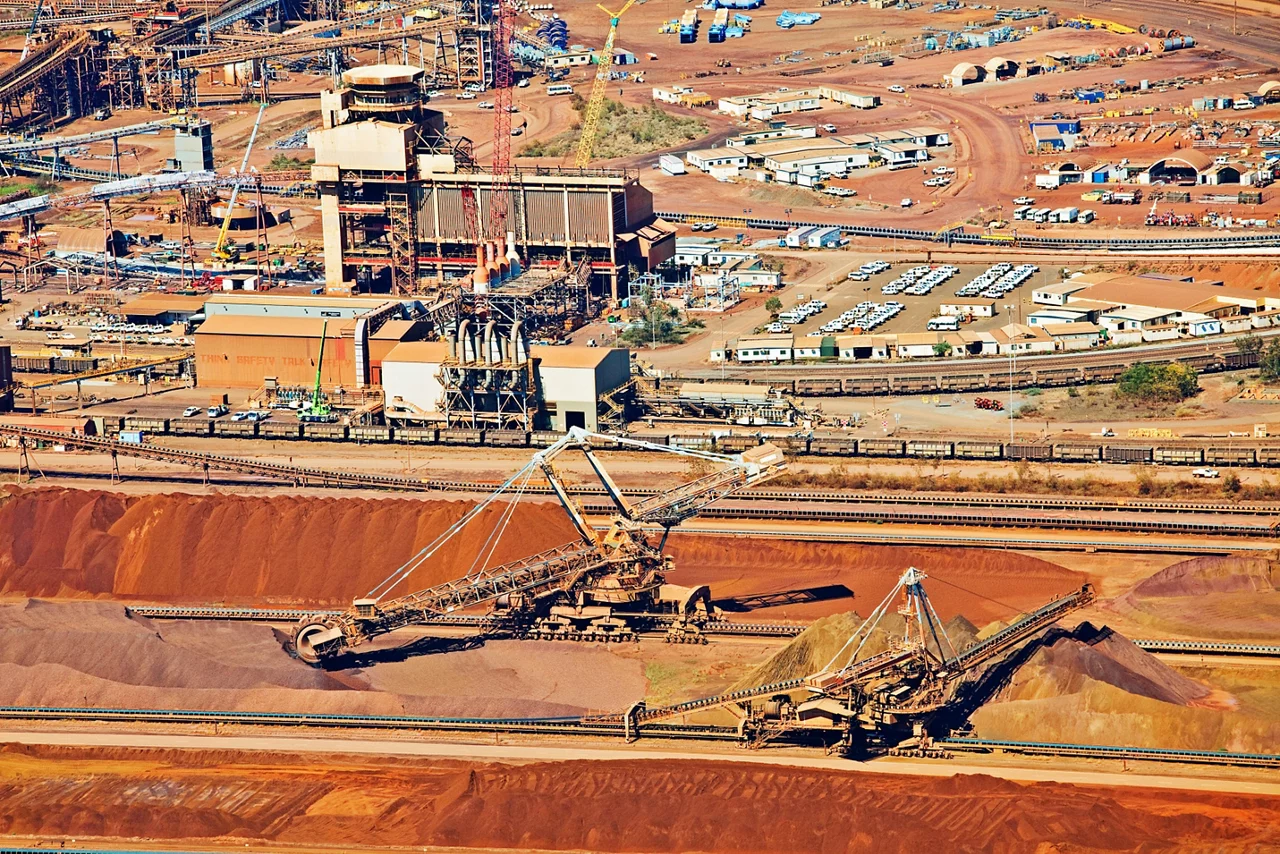
Once known primarily for its heritage and tin mining, Perak is transforming into a dynamic, multi-pillar property market. This evolution is fueled by a combination of lifestyle appeal, demographic growth, and expanding industrial activity, which is increasingly attracting investor attention. Strategically located between Selangor and Penang, with abundance of natural resources, Perak also has a strong economic ecosystem led by tourism, services sector and skills development.
The state’s industrial evolution builds on historical foundations, with former tin mining infrastructure in Kinta Valley now supporting modern redevelopment. Key transport networks, including road, rail and port access through Lumut’s maritime gateway, provide the logistical backbone for emerging industrial estates in Manjung and Seri Manjung. LUMIC’s potential to become a new regional hub for maritime trade will further strengthen Perak’s positioning as a diversified, interconnected industrial ecosystem.
Strategic investments across key industries are reshaping Perak’s economic landscape. One of the most prominent pillars of Perak’s industrial repositioning is halal manufacturing. It targets the growing global halal market through certified food processing and cold chain logistics, creating integrated ecosystems that support warehousing, housing and commercial services. Beyond halal industries, Perak is also gaining traction in advanced manufacturing and Electrical Vehicle (EV) related supply chains. Large-scale integrated industrial developments around Tanjung Malim have elevated the state’s profile following the entry of major international investors. Most notably, BYD’s investment and Proton City expansion from Shah Alam, have positioned Perak as an emerging hub for high-value manufacturing and regional supply chain integration.
In parallel, Perak remains an important part of Malaysia’s agro-industrial value chain, particularly in palm oil production. While plantation activity remains substantial, future growth increasingly lies in downstream and value-added processing such as oleochemicals, food ingredients, and bio-based products. This shift supports demand for industrial land, processing facilities, storage and logistics infrastructure, especially in areas with strong connectivity and land availability.
Figure 1 – Domestic and Foreign Direct Investment in Perak

Source : Malaysia Investment Development Authority (MIDA)
Perak’s economy has showcased resilience with key sectors such as manufacturing and agriculture, supported by improved infrastructure, strategic locations and competitive labour costs that continue to drive investments. Looking ahead, the state’s future growth is likely to be shaped by sectors such as EV manufacturing, halal and agriculture-based processing, logistics and warehousing, and renewable and other energy-related industries. For property investors and developers, this industrial momentum translates into sustained demand for industrial land, purpose-built factories and logistics facilities, positioning Perak as a state transitioning from legacy industries into a new phase of strategic, investment-led growth.