Australian retail landlords are connecting retailers and customers through cutting-edge drone delivery technology.
12 August 2024
Insight
12 August 2024
Retail centres are embracing drone delivery in Australia
Categories:
Authors
Ted Breene
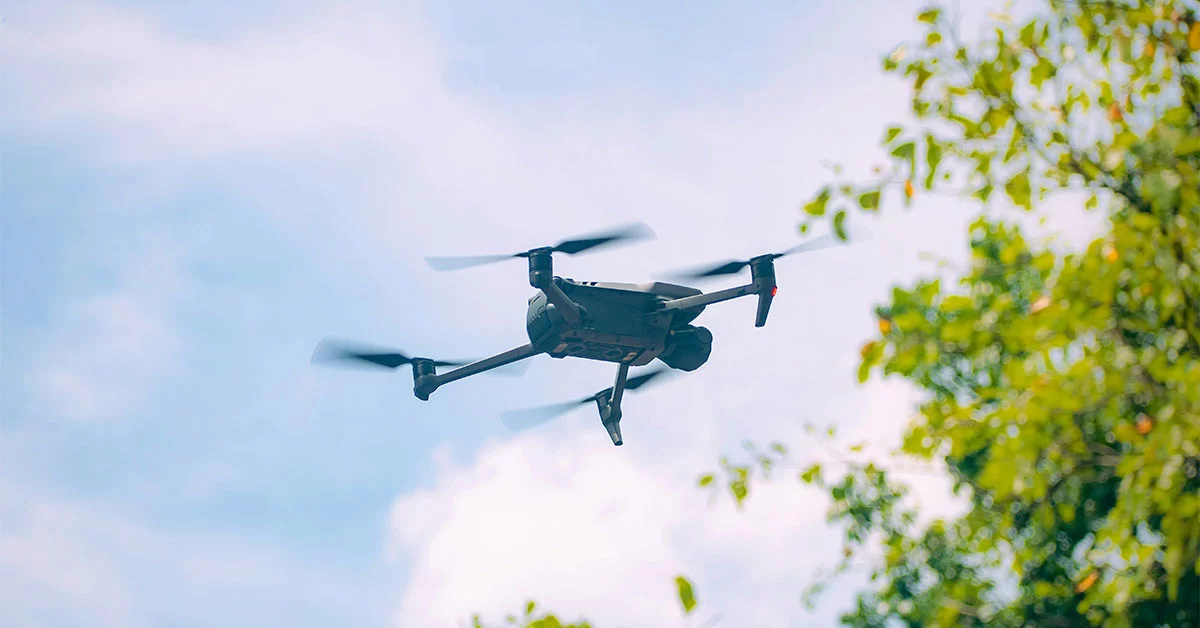
In 2024, Australian retail operators are adopting drone technology in partnership with Google Wing. This innovative delivery platform, owned by Alphabet (Google's parent company), has transformed the way consumers shop for everyday goods such as food, groceries, and medicine. Landlords and retailers who embrace this new delivery service could benefit from greater annual turnover.
So, how is the drone delivery service currently operating? Customers can place online orders through delivery apps such as ‘DoorDash’ and participating vendors within a retail centre can connect with local customers to capture the transaction. Once the order is prepared, a drone will depart from the centre rooftop and land in a designated area on the customer’s property. Early adopters of this technology include food and beverage tenants as their packaging is lightweight, and quick delivery is a priority.
In South-East Queensland, the drone delivery service has been rolled out in Ipswich and Logan in the Brisbane to Gold Coast corridor. Major participating centres include QIC’s Logan Hyperdome and Mirvac’s Orion Springfield. The surrounding geography of these centres is suitable for drone connectivity, given the low density and prevalence of standalone residential dwellings. At present, drone technology may encounter difficulties reaching the customer’s doorstep in high-density apartment blocks. This may inhibit its success in densely populated areas like New York City or Tokyo, where apartment living dominates. As such, the model is better suited to Australian cities, which have much lower population density.
Consumer awareness of drone technology is expanding, and existing centres in Australia would need to undergo refurbishment to accommodate drones and associated equipment. New regional and sub-regional shopping centre construction remains below the 10-year annual average (134,900 sqm) in Australia. Only 48,100 sqm of regional and 99,800 sqm of sub-regional space is forecast to enter supply from 2025 to 2028. Hence, existing regional and sub-regional operators are best positioned to adopt this delivery model at scale, as these centres have the space and infrastructure to retrofit launchpads and other requirements.
Figure 1: National retail completions and forecast

*Forecast includes developments under construction and with planning approval in Adelaide, Canberra, Melbourne, Perth, South-East Queensland and Sydney.
Source: JLL Research Australia
The drone model offers a competitive advantage for certain types of delivery, given its size and capability. For example, in comparison to deliveries being made by car, where drivers must find parking and face traffic, drone delivery offers greater efficiency, as it can depart from the centre and travel directly to its destination. Safety also remains central to drone delivery success and long-term operations. The drone models operated by Google Wing have been built to Civil Aviation Safety Authority (CASA) standards, and equivalent safety requirements are observed on commercial aircraft.
Despite the potential upside for landlords, retailers and consumers, there are still some obstacles to the general use of drone delivery. Some challenges include the inability of drones to fly during decreased visibility and the relatively low maximum weight (2.5 pounds or 1.12 kg) of goods carried in one load.
Drone delivery is potentially another important evolution in Australia’s retail offering through its quick, affordable, and sustainable approach to distribution. However, its success in serving the retail industry depends on both landlords and consumers embracing the technology for it to truly soar in Australian skies.