The resilience of cold storage assets is making the alternative asset class a compelling investment opportunity
28 November 2023
Insight
28 November 2023
Is cold storage still a hot investment pick?
Categories:
Authors
Peter Guevarra
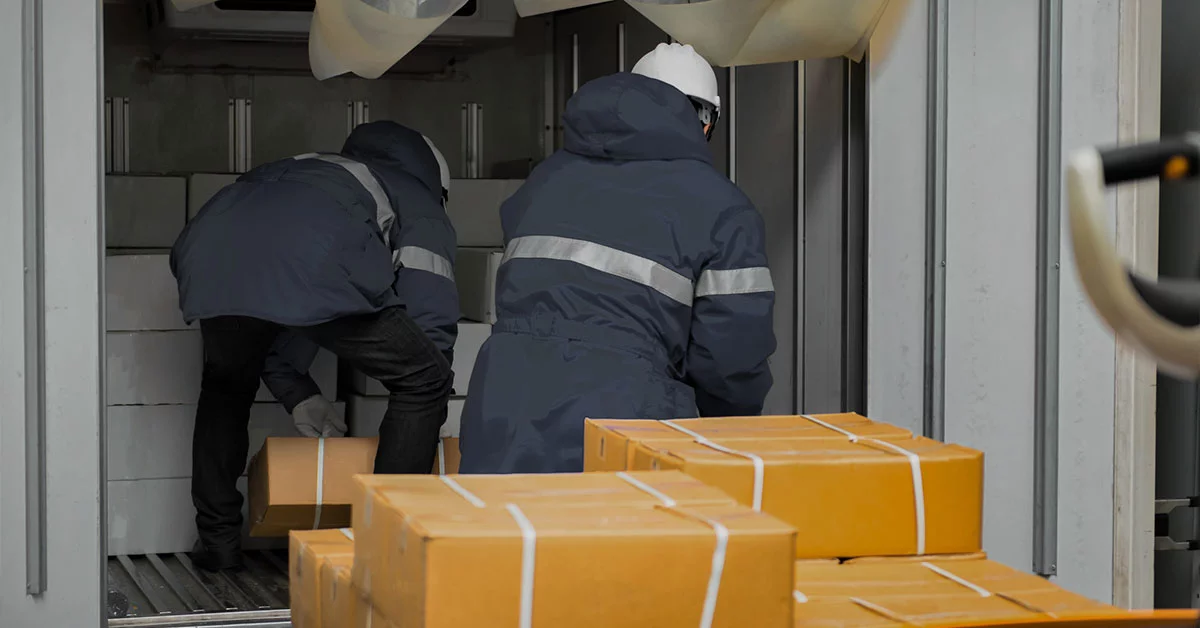
Interest in cold storage reached fever pitch during the pandemic, driven by the dramatic rise in demand for online grocery shopping and the growing spotlight on the life sciences sector.
In 2021, cold storage deal sizes averaged US$29.6 million, significantly higher than the 10-year average of US$19.1 million, while the number of major deals more than doubled to 32 transactions.
While activity has slowed in the past 12 months, the core drivers that initially attracted investors to this alternative asset class remain intact.
Its resilience stems from the nature of goods typically stored in these cold storage facilities — primarily essentials and perishables that are unaffected by economic cycles, keeping it insulated from the volatility otherwise experienced by other sectors.
For investors, this means stable cash flows in the long term, bolstered by favourable rental rates and lease terms for these assets compared to general logistics and industrial (L&I) facilities.
Crucially, in today’s high interest rate environment, cold storage assets offer higher yields than traditional warehouses, typically fetching yields that can be 50 to 100 basis points (bps) higher across the more mature markets. The spread could be higher in emerging Southeast Asia markets.
Barriers to entry
Although the fundamentals are positive, the highly specialised sector means a relatively shallower pool of occupiers, ranging from food and beverage producers to pharmaceutical companies.
Technical specifications for these facilities differ significantly from standard L&I facilities in areas such as the building structure, clearance and floor loading, air-conditioning and fire suppression, and power provision.
For instance, concrete construction in cold storage facilities needs to be reinforced for better sealing and to limit condensation. Facilities that store goods at extremely low temperatures may also require more advanced airlock compressors and fire suppression systems.
These unique features contribute to higher capital expenditure (CapEx) and, over time, higher operating expenses (OpEx) for maintenance.
Another factor that investors need to be aware of are operational issues such as additional health and safety training, which is often mandatory for workers operating in sub-zero temperatures. This is compounded by the relatively tight labour markets in many countries at present.
Take a pharmaceutical cold chain facility, where there must be on-site pharmaceutical technicians to handle storage of goods, and compliance officers to monitor adherence to pharmaceutical regulations and guidelines. This is in addition to technicians handling the maintenance, repair, and troubleshooting of refrigeration systems.
To complicate the challenge, investors and operators face the additional hurdle of navigating varying local regulations in different markets when building and maintaining these assets.
For established investors, these heightened barriers to entry work in their favour to limit competition. Meanwhile, newcomers face an uphill battle to adapt and get up to speed in the sector.
Robust growth
With the requirements of cold storage facilities constantly evolving, there are still plenty of opportunities for investors and operators in this sector.
Single-temperature facilities started out as the norm. But with occupiers demanding more, complex multiple-temperature facilities, capable of offering fulfilment and value-added services to consolidate logistics operations, are emerging.
This evolution will persist as real estate prerequisites must be tailored to meet the specific needs and operational strategies of occupiers.
With global cold storage capacity projected to reach 1.1 billion cubic metres by 2030, up from 785 million cubic metres in 2022, there may be selected opportunities for investment in the asset class in Asia Pacific.
Are cold storage assets on your investment radar? Gain more insights on this alternative asset class from our latest report, or connect with a JLL expert to help formulate your logistics strategy today.