Greater Jakarta housing shows resilience with healthy demand, while well-planned townships maintain attractive value despite distance.
19 September 2025
Insight
19 September 2025
Greater Jakarta townships reshape suburban landscape
Categories:
Authors
Bobby Muchtadi
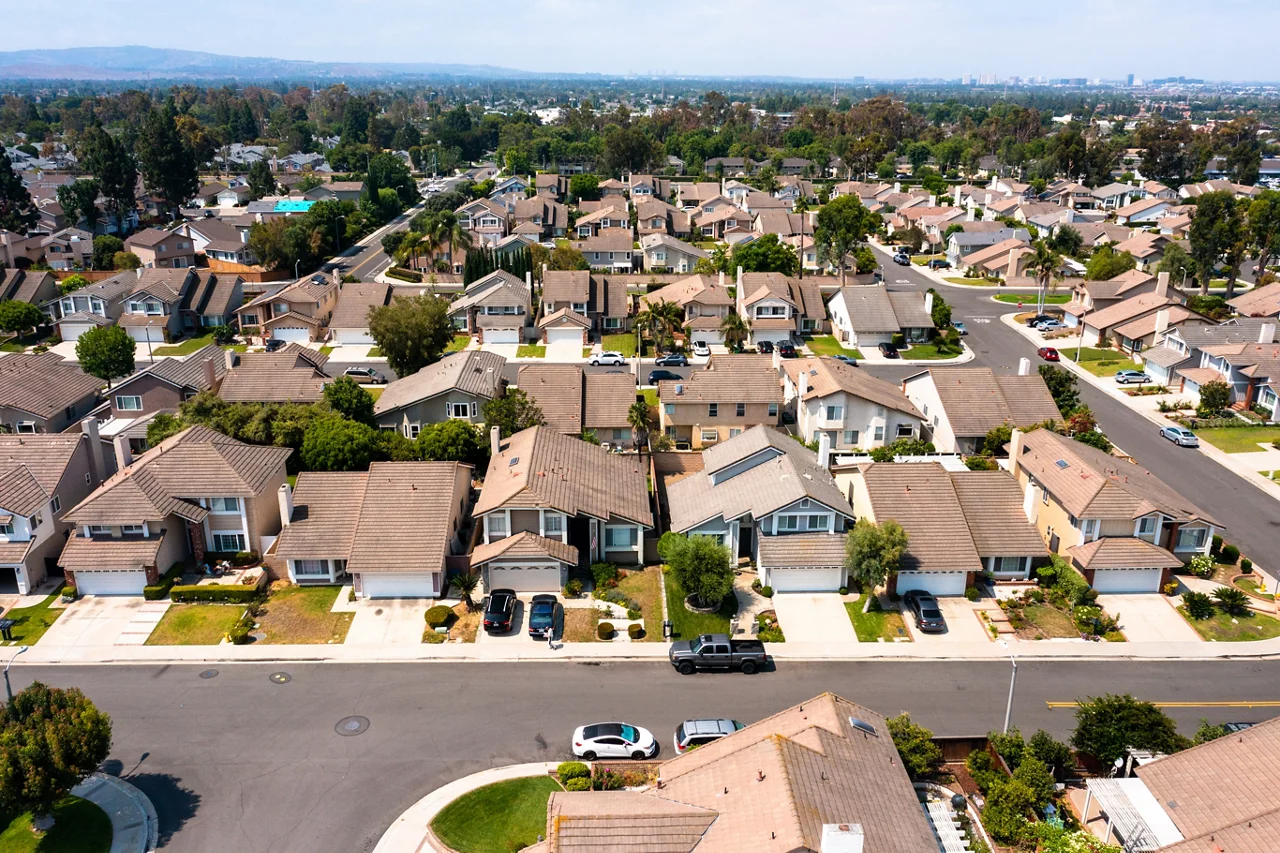
During the first half of 2025, the Greater Jakarta’s landed housing market has shown resilience, with demand remaining healthy. Despite fewer new launches, the sector maintained consistent activity, with the cumulative sales rate remaining at 88%. This performance underscores the market's fundamental strength and buyer confidence in the residential sector.
Looking at buyer preferences and market trends, compact houses have gained popularity, appealing to practical buyers who seek efficient living spaces. Affordability remains a key factor driving purchasing decisions, with developers offering flexible payment options and designing homes that balance functionality with accessible pricing in this stable market segment.
Figure 1: Greater Jakarta Landed Housing Cumulative Supply and Demand by Year

Source: JLL Research Indonesia, 1H25
Supply in the Greater Jakarta’s landed housing market continues to see strategic development activity. Developers launched a major 1,000-hectare township in Tangerang during the first half of 2025. Meanwhile, local developers are pursuing a joint venture for a 28-hectare residential project in Depok. Additionally, a foreign developer is entering into a joint venture with a local developer for a 50-hectare site in Tangerang. These developments reflect a strategic focus on transportation connectivity, with projects positioned near key infrastructure including highways, rail networks, and transit hubs—a critical factor for long-term value creation.
Developers have actively launched new townships around Greater Jakarta, even during and after the pandemic. New developments concentrate in three primary zones: Tangerang (western corridor), Bekasi (eastern corridor), and, to a lesser extent, Bogor (southern corridor). This distribution reflects developers' focus on areas with established infrastructure and transport connectivity while maintaining reasonable proximity to Jakarta's CBD.
Figure 2: Greater Jakarta Townships Distribution

Source: JLL Research Indonesia; MapIT, 2025
Townships located 20-40 km from Jakarta's CBD offer capital values between IDR 10-30 million per square metre, showing competitive performance against closer-in locations. This value resilience stems from comprehensive master-planned communities featuring integrated amenities, including healthcare facilities, educational institutions, retail centres, and business districts. Enhanced public transportation connectivity further amplifies these value propositions. Tangerang exemplifies this trend, showing particularly strong performance at various distances, with some developments achieving values above IDR 30 million despite their distance from the urban core.
Figure 3: Greater Jakarta Townships Average Capital Value vs Distance to Jakarta CBD

Source: JLL Research Indonesia, 1H25
Greater Jakarta continues to present significant opportunities to create value through integrated township projects that emphasise comprehensive amenities and connectivity. Projects that include essential facilities: commercial, educational and healthcare, along with convenient access, will attract stronger buyer interest. Well-executed township developments in Greater Jakarta's growth corridors can deliver strong capital value, regardless of distance from the CBD, provided they incorporate essential infrastructure and maintain connectivity to key employment and lifestyle nodes.